
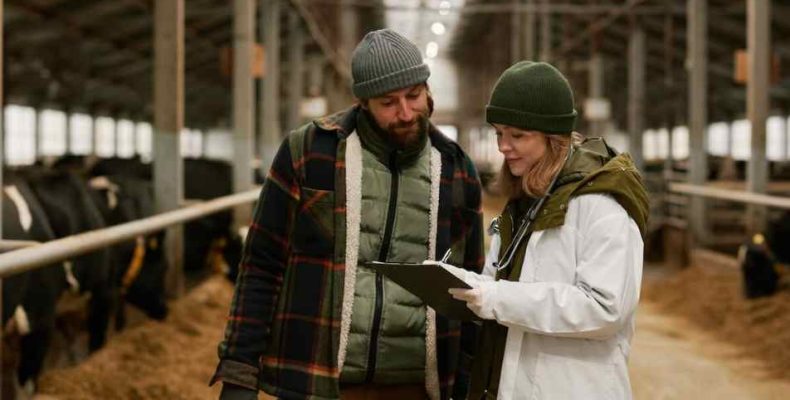
Managing herds effectively requires accurate data, real-time health tracking, and streamlined record-keeping. Modern ranches and dairy farms face growing pressure to increase productivity while maintaining high standards of animal welfare and operational efficiency.
If you want to optimize your farm operations and monitor herd vitals with precision, adopting a dedicated Livestock Management System provides the digital tools needed to track performance, boost yields, and safeguard herd health.
Key Benefits of Digital Herd Monitoring
Transitioning from manual logs to automated livestock software eliminates guesswork and gives producers actionable insights into their herds.
- Real-Time Health Tracking: Monitors vital signs and behavioral patterns to catch illness early.
- Accurate Record Keeping: Centralizes medical histories, vaccination schedules, and growth rates.
- Optimized Breeding Cycles: Tracks estrus cycles and pregnancy milestones to maximize reproductive success.
- Feed and Nutrition Control: Helps balance rations and monitor weight gain across different groups.
- Enhanced Farm Profitability: Reduces mortality rates and improves labor efficiency across the ranch.
Core Capabilities That Elevate Farm Productivity
Digital platforms integrate multiple monitoring technologies to provide a complete overview of daily herd activity.
1. Health and Vital Monitoring
Automated tracking tools continuously check temperature, activity levels, and rumination patterns. Detecting early symptoms of disease allows producers to isolate and treat sick animals quickly, preventing widespread herd outbreaks and reducing treatment costs.
2. Breeding and Reproduction Management
Managing breeding schedules manually often leads to missed cycles and lower calving rates. Smart management systems send automated alerts for peak breeding windows, helping farm managers coordinate artificial insemination and track gestation periods reliably.
3. Inventory and Weight Tracking
Tracking individual animal weight gains helps evaluate feed efficiency and overall herd development. Connected weighing systems record weight metrics automatically, allowing farmers to adjust feeding strategies to meet market targets on time.
Conclusion
Implementing a modern management platform requires selecting software that integrates smoothly with your existing farm setup, scales, and identification tags. Cloud-based access ensures farm managers and veterinarians can view critical data from anywhere using mobile devices.
Investing in smart management technology is a proven way to future-proof your agricultural business. By replacing manual paperwork with automated data, producers can protect animal welfare, lower labor demands, and drive sustainable long-term profits.