
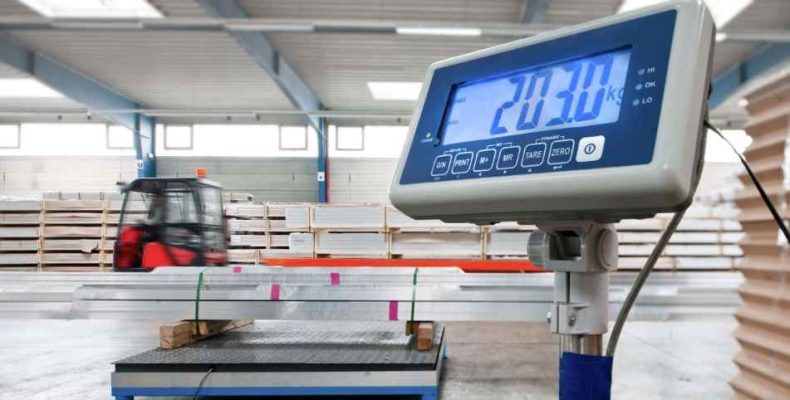
In today’s competitive market, accuracy and efficiency are everything. Choosing the right Industrial Scale can directly impact productivity, safety, and profitability in your operations.
From manufacturing plants to warehouses and shipping hubs, industrial weighing systems play a critical role in maintaining quality control and meeting industry standards. Investing in the right solution ensures smooth workflows and long-term reliability.
Why Industrial Scale Systems Matter
Industrial environments demand equipment that can handle heavy loads, constant use, and harsh conditions. Unlike standard weighing machines, industrial scales are designed for durability, precision, and high capacity.
Businesses rely on them to:
- Measure bulk materials accurately
- Maintain compliance with industry regulations
- Improve inventory management
- Reduce material waste
- Enhance workplace safety
- Speed up shipping and receiving processes
Without accurate weighing systems, companies risk costly errors, product inconsistencies, and operational delays.
Types of Industrial Scale Options
Different industries require different weighing solutions. Choosing the correct type depends on your operational needs, available space, and weight capacity requirements.
-
Floor Scales
Floor scales are ideal for warehouses and shipping departments. They are designed to weigh pallets, drums, and large containers quickly and accurately. Their low-profile platform allows easy loading with forklifts or pallet jacks.
-
Truck Scales
Truck scales are essential for industries dealing with bulk transportation such as agriculture, mining, and construction. They provide precise measurements of loaded and unloaded vehicles, helping businesses calculate net weight efficiently.
-
Bench Scales
Bench scales are compact yet powerful. They are commonly used in laboratories, food processing facilities, and packaging lines where smaller items require high-precision measurements.
Each type serves a specific purpose, so understanding your workflow is key before making a decision.
Key Features to Look For
When selecting an industrial scale, focusing on the right features can make a significant difference in performance and longevity.
Important features include:
- High weight capacity suitable for your operations
- Durable construction for harsh environments
- Digital displays for easy reading
- Integration with inventory or management systems
- Legal-for-trade certification if required
- Overload protection for equipment safety
Modern industrial scales often include advanced technology such as wireless connectivity and automated data recording, which helps streamline reporting and reduce manual errors.
Benefits of Investing in Quality Equipment
Purchasing a high-quality industrial scale is not just about measuring weight. It’s about improving your entire operation. Reliable equipment reduces downtime, lowers maintenance costs, and increases overall efficiency.
Accurate weighing also strengthens customer trust. When clients receive precisely measured shipments, it enhances your reputation for professionalism and reliability.
Additionally, durable scales built for industrial use provide long-term value. Instead of frequent replacements or repairs, businesses can focus on growth and productivity.
Final Thoughts
Industrial scale systems are a foundational part of many industries. Whether you operate a warehouse, manufacturing plant, or logistics company, choosing the right scale improves accuracy, compliance, and operational efficiency.
By understanding your needs and selecting dependable equipment, you ensure smoother workflows and better business outcomes for years to come.